
In short
- Tides completely shift every 6 hours and 13 minutes.
- Hopewell Rocks offers the best view of the 53-foot change.
- Hopewell Rocks admission covers two consecutive days for easy timing.
In this article
- How often do the tides change in the Bay of Fundy?
- How can I structure my day trip to see both high and low tide?
- What are the rules for walking on the ocean floor at low tide?
- Where do I find the bay of fundy high and low tide times?
- What gear do I need to explore the low tide mudflats?
- Where else can I see the Bay of Fundy tides?
Seeing the highest tides on Earth requires planning. Around 160 billion tonnes of seawater flows in and out twice daily. You can structure your visit around this natural cycle to walk the ocean floor and see high water levels on the same day.
How often do the tides change in the Bay of Fundy?
The time between high and low tide averages exactly 6 hours and 13 minutes.
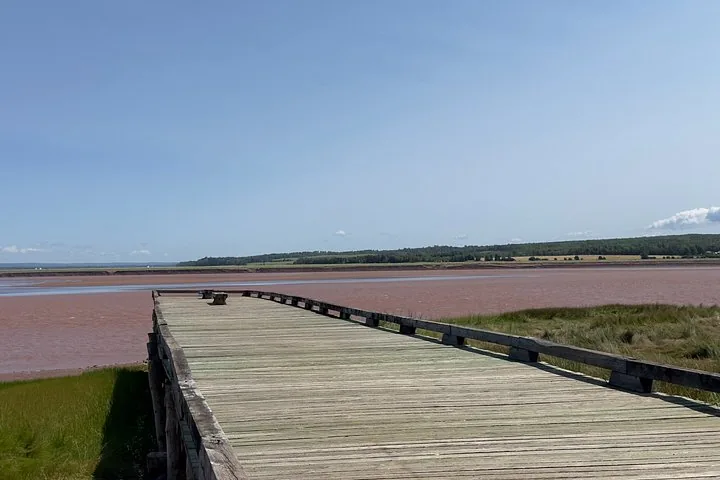
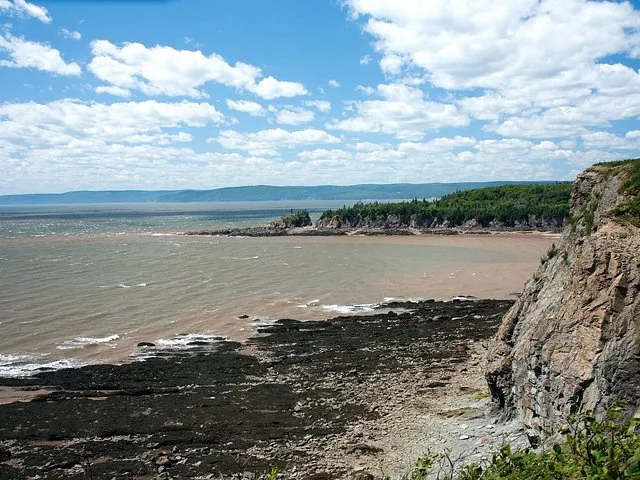
The water levels rise and fall twice a day. The shift is dramatic. Water levels change by up to 16 meters (53 feet) at peak times. Because the cycle takes just over six hours, you can view both extremes during daylight.
How can I structure my day trip to see both high and low tide?
Arrive at Hopewell Rocks near low tide, take a mid-day break, and return six hours later.
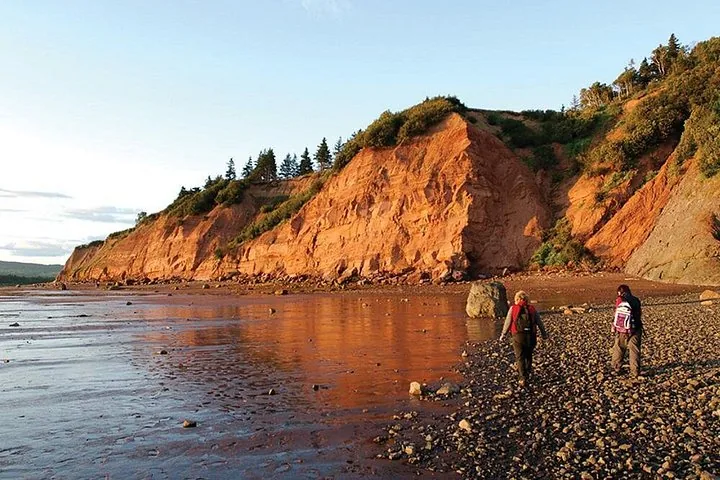
Your adult admission ticket (around CAD 13–16) is valid for two consecutive days. This allows you to leave and return freely. Spend two hours exploring the Flowerpot Rocks at low tide. Grab lunch in a nearby village like Alma. Then, return to see the tree-topped sea stacks surrounded by deep water.


What are the rules for walking on the ocean floor at low tide?
You must return to the stairs or shore at Hopewell Rocks at least two hours before high tide.
Always check official tide tables before descending the 99 stairs to the ocean floor. Rapidly rising waters can easily trap you. Keep a safe distance from cliff edges and rock formations. Constant tidal erosion makes the rocks unstable and slippery.
Where do I find the bay of fundy high and low tide times?
You should use a tide table app or a printed schedule to track the daily shifts.
Because the cycle is exactly 6 hours and 13 minutes, the times change daily. Using a tide app ensures you arrive at the correct moment. Check the specific tables for your exact location, as times vary slightly along the coast.

What gear do I need to explore the low tide mudflats?
Wear mud shoes, waterproof boots, or old sneakers with good grip.
The red clay on the ocean floor will permanently stain your footwear. Bring a dry bag or large Ziploc bags to store muddy shoes afterward. Pack a windbreaker and fleece layers, as coastal temperatures fluctuate significantly during the day.
For more packing details, read Packing Guide.
Where else can I see the Bay of Fundy tides?
Fundy National Park and the Fundy Discovery Site in Truro show the shifting waters.
At Fundy National Park, you can explore endless mudflats at Alma Beach during low tide. Entry costs ~$9-10 CAD. On the Nova Scotia side, the Fundy Discovery Site offers views of the Tidal Bore. This visible wave travels upriver ahead of the tide.
Questions travellers ask
How high do the tides get in the Bay of Fundy?
The tides are the highest on Earth, measuring up to 16 meters (53 feet) at peak times.
How much does it cost to go to Hopewell Rocks?
Adult entry to Hopewell Rocks Provincial Park is around CAD 13–16. The ticket is valid for two consecutive days.
Can you walk on the ocean floor at the Bay of Fundy?
Yes. At Hopewell Rocks, visitors can descend 99 stairs directly onto the exposed ocean floor during low tide.