In short
- Hopewell Rocks is famous for walking on the ocean floor and sea stacks.
- Fundy National Park is better for hiking, waterfalls, and camping.
- Both parks require paid entry and offer distinct coastal experiences.
In this article
When planning a trip to the Bay of Fundy, many visitors wonder whether to prioritize Hopewell Rocks or Fundy National Park. Both are located in New Brunswick and showcase the incredible tides, but they offer very different activities. Understanding what makes each park unique helps you plan your day efficiently.
What is the main difference between the two parks?
Hopewell Rocks focuses on dramatic tidal changes and sea stacks, while Fundy National Park offers broader wilderness experiences.
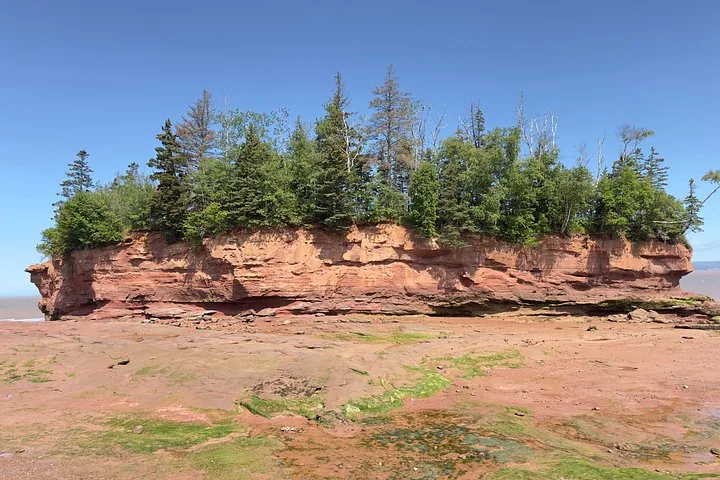
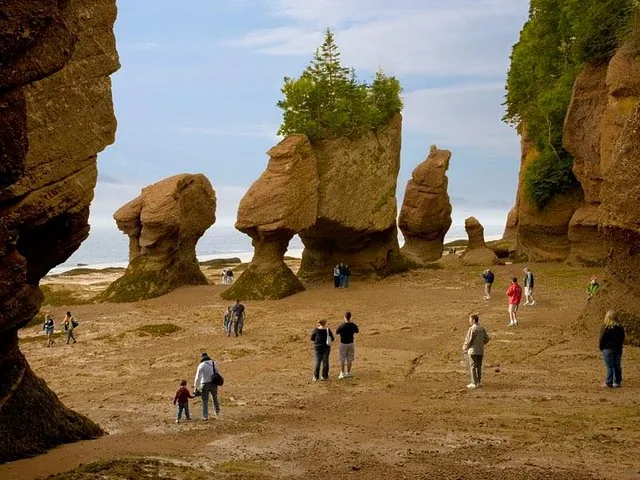
At Hopewell Rocks, the main attraction is walking directly on the ocean floor among the Flowerpot Rocks at low tide. You can witness the 50-foot water level change over a few hours.
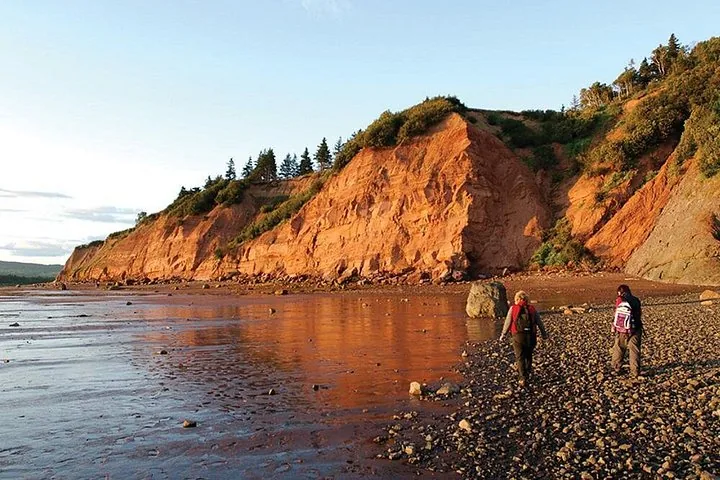
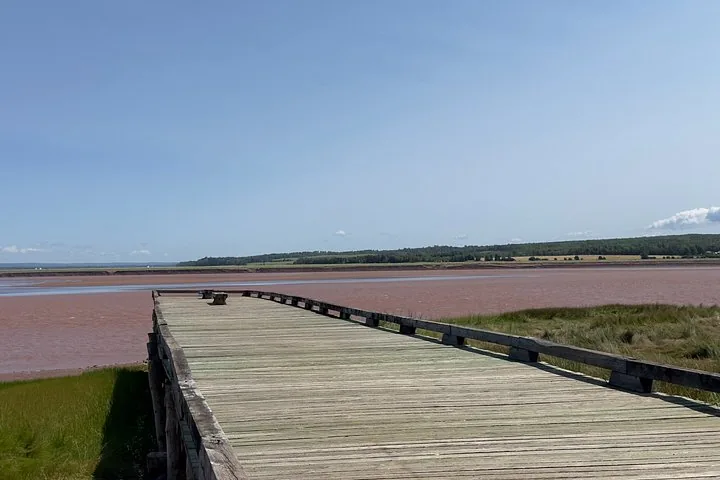
Fundy National Park features 207 square kilometers of Acadian Forest. It is ideal if you want to hike trails, see waterfalls like Dickson Falls, and explore coastal mudflats at Alma Beach.
| Feature | Hopewell Rocks | Fundy National Park |
|---|---|---|
| Main Attraction | Flowerpot sea stacks | Acadian Forest and waterfalls |
| Ocean Floor Walk | Yes (99 stairs to access) | Yes (at Alma Beach) |
| Time Needed | 2 to 3 hours | Half to full day |
| Entry Cost (Adult) | around CAD 13–16 (valid 2 days) | ~$9 to $10 CAD |
Which park is better for a quick visit?
Hopewell Rocks is better if you only have a few hours.
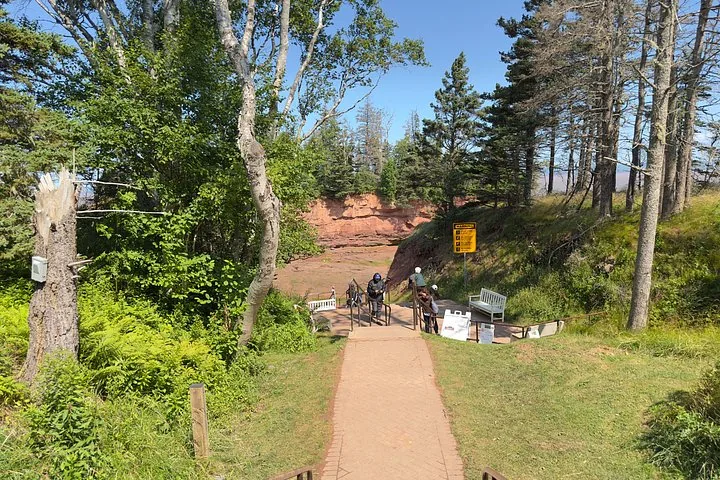
You can easily experience the main highlights of Hopewell Rocks in two hours. By walking down the 99-step staircase, you get immediate access to the exposed ocean floor. If you time it right, you can see both high and low tide in one day.
Which park has better hiking trails?
Fundy National Park is the superior choice for hiking.
Fundy National Park offers an extensive network of trails through coastal ecosystems and dense forests. The Dickson Falls trail is a popular 1.5 km loop featuring a boardwalk through a mossy valley.
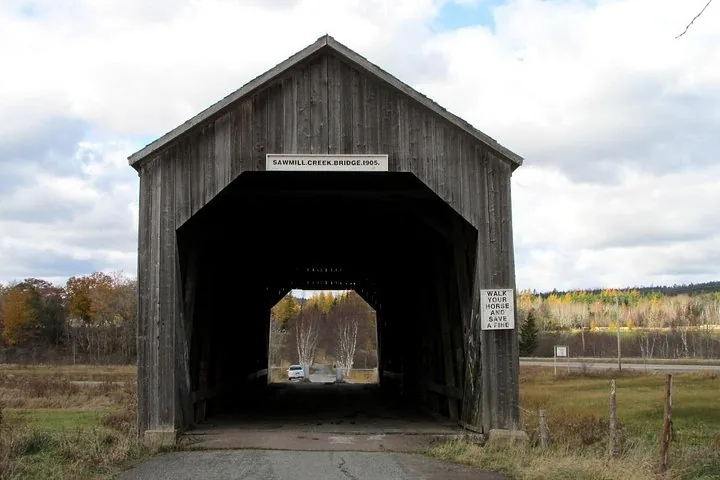
You can also explore historical logging areas like Point Wolfe, which has deep ravines and a covered bridge.
Can you see the highest tides at both parks?
Yes, but the visual impact is more dramatic at Hopewell Rocks.
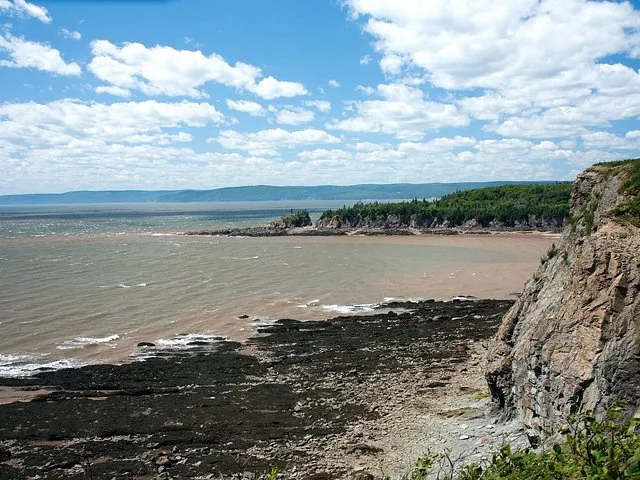
The Bay of Fundy experiences 16-meter tides along the coastline. At Hopewell Rocks, the water rises up the massive tree-topped sea stacks, making the scale of the tide very obvious. At Fundy National Park, you see the tide recede to expose vast mudflats at Alma Beach.

Do I need to pay to enter both parks?
Yes, both Hopewell Rocks and Fundy National Park charge admission fees.
An adult entry ticket to Hopewell Rocks costs around CAD 13–16 and is valid for two consecutive days. Fundy National Park charges roughly $9.00 to $10.50 CAD for an adult daily pass.
Can I visit both parks in one day?
Yes, it is possible if you have a car and plan carefully around the tide schedule.
Driving between Hopewell Rocks and Fundy National Park takes about 45 minutes. A popular itinerary is to visit Hopewell Rocks at low tide to walk the ocean floor, then drive to Fundy National Park for an afternoon hike.
Driving the Coast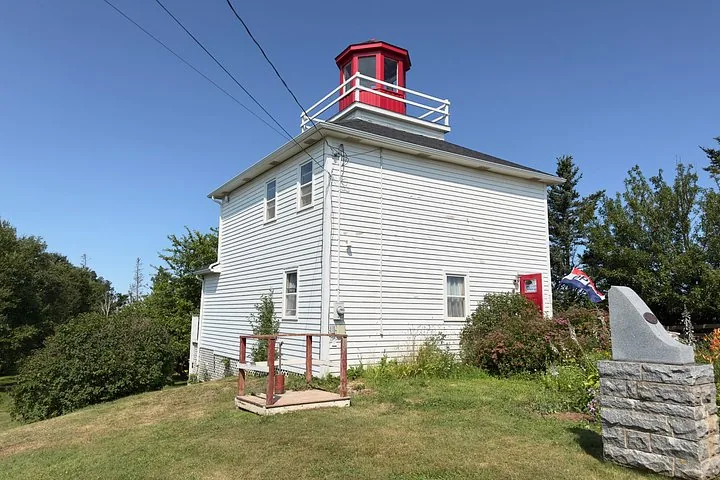
Questions travellers ask
Which park is closer to Moncton?
Hopewell Rocks is closer to Moncton, located about a 35-minute drive south of the city. Fundy National Park is further down the coast near the village of Alma.
Are dogs allowed in the parks?
Yes, dogs are generally allowed in both parks but must be kept on a leash at all times. Always check current park regulations before your visit.
What should I wear to visit these parks?
Wear mud-friendly footwear or old sneakers, especially for Hopewell Rocks. Bring layers, a light waterproof jacket, and insect repellent for the forested areas of Fundy National Park.