In short
- A tidal bore is a visible wave traveling upriver ahead of the tide.
- Rafting takes place on the Shubenacadie River in Nova Scotia.
- You can watch the wave from the shore at the Fundy Discovery Site in Truro.
In this article
Around 160 billion tonnes of seawater flows into the Bay of Fundy twice daily. As this water pushes into narrowing river channels, it reverses the river's flow and creates a visible wave called a tidal bore. In Nova Scotia, visitors ride these resulting rapids in an extreme sport known as tidal bore rafting.
What exactly is the tidal bore?
A tidal bore is a leading wave of incoming water that travels up a river against the normal current.
The Bay of Fundy tide rises up to 16 meters (53 feet). When this massive volume of water enters rivers emptying into the bay, it forces the water backwards. This creates a distinct wave that moves upstream.
What is Bay of Fundy tidal bore rafting?
It is a sport where passengers ride the temporary rapids created by the tidal bore.
As the bore hits the Shubenacadie River in Nova Scotia, it transforms the calm water into intense rapids. Zodiac boat pilots navigate these waves, ensuring passengers experience the extreme turbulence. The rapids last for a short window as the incoming tide fills the riverbed.
Where can I do tidal bore rafting or watch the wave?
Rafting happens on the Shubenacadie River, while the Salmon River is best for watching from the shore.
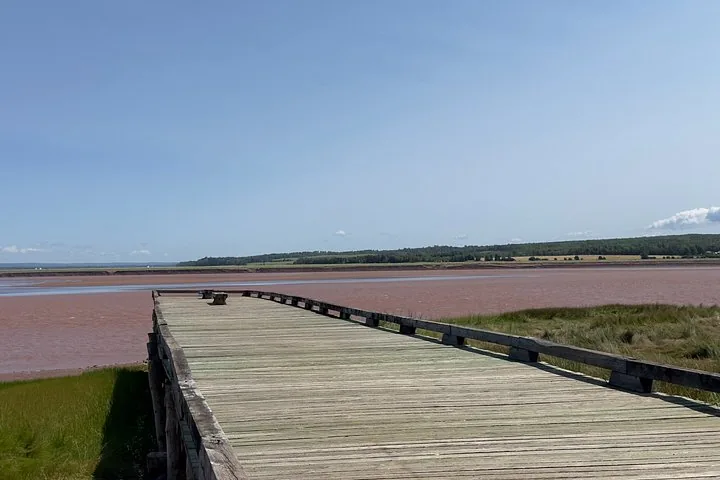
Tour operators base their rafting trips along the Shubenacadie River. If you prefer to watch the phenomenon instead of riding it, head to the Fundy Discovery Site in Truro. This park sits directly on the Salmon River and offers safe vantage points.
When is the best time to see the tidal bore?
You must arrive exactly when the tide schedule dictates, as the bore passes quickly.
The bay's tides operate on a strict 6-hour and 13-minute cycle between high and low tide. The actual arrival schedule shifts slightly due to weather and daily tidal changes.
What should I wear for tidal bore rafting?
Wear clothes and shoes that can get completely covered in thick red mud.
The incoming tide churns up the red clay riverbanks. Wear old sneakers or mud shoes that you do not mind staining permanently. Bring a dry bag for clean clothes, high-SPF sunscreen, and polarized sunglasses for the water glare.
What else is near the tidal bore sites?
The Nova Scotia side of the bay features ancient fossils and rugged sea cliffs.
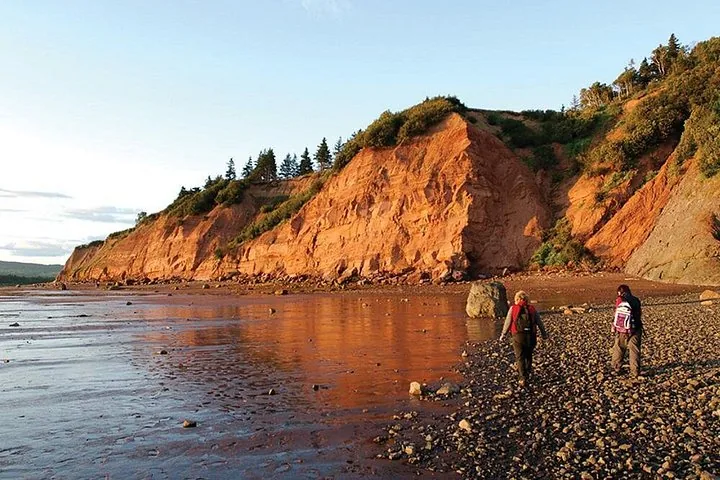
After visiting the Shubenacadie or Salmon rivers, drive to the Joggins Fossil Cliffs. This UNESCO World Heritage site contains a 300-million-year-old fossil record exposed by tidal erosion. You can also explore Cape Chignecto Provincial Park for sea caves and wilderness trails.


How do I get to the tidal bore rivers?
Driving is the only reliable way to reach the Shubenacadie River and the Fundy Discovery Site.
Public transit between these natural sites is virtually non-existent. A vehicle is required to explore the expansive coastline along New Brunswick and Nova Scotia. Read more in our guide on Driving the Coast.
Questions travellers ask
Does the tidal bore happen every day?
Yes. The Bay of Fundy experiences two high tides and two low tides daily, creating a tidal bore on incoming tides on connecting rivers.
How high are the tides that cause the bore?
The Bay of Fundy has the highest tides on Earth, measuring up to 16 meters (53 feet) at peak times.
Can I walk on the ocean floor near here?
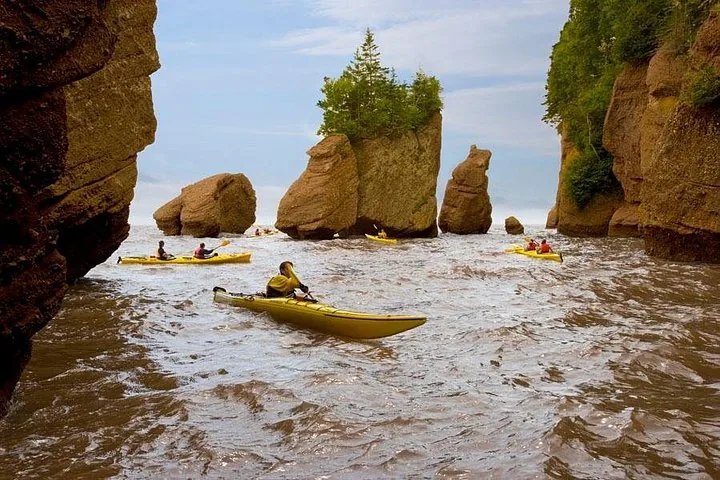
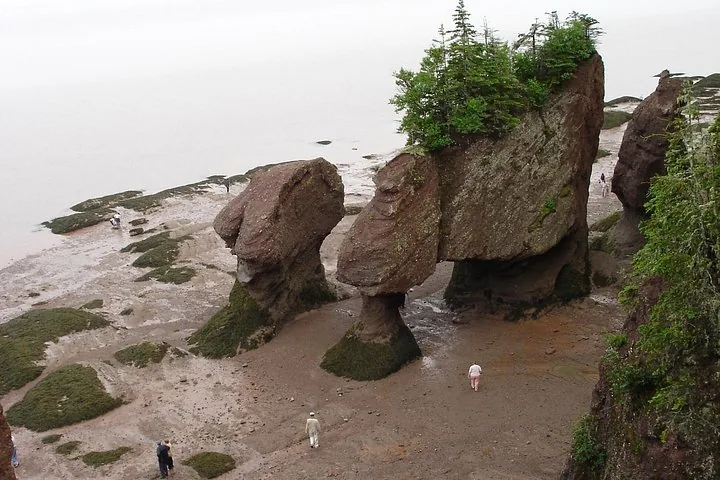
Yes. Burntcoat Head Park in Nova Scotia and Hopewell Rocks in New Brunswick allow you to walk directly on the ocean floor at low tide. Always check official tide tables first.